Why the Black-Footed Cat Is the World’s Most Dangerous Feline

- আপডেট সময় : ০৩:০৩:৫৩ অপরাহ্ন, মঙ্গলবার, ৬ ফেব্রুয়ারী ২০২৪
- / 730
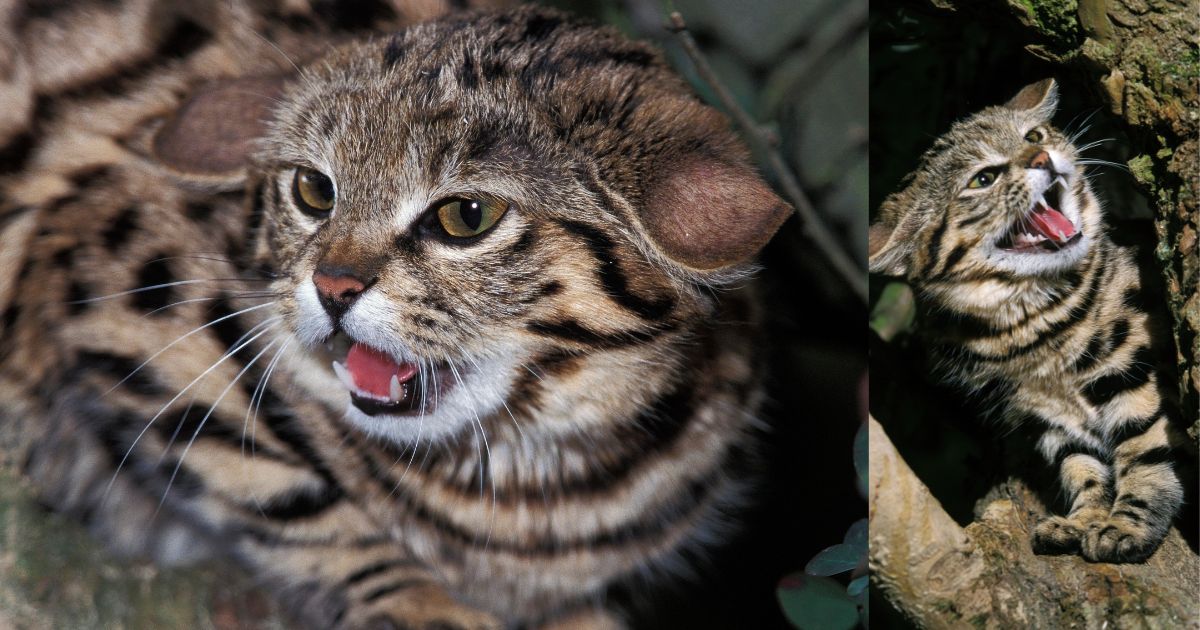
While the term “dangerous cat” may conjure images of mighty lions or agile cheetahs, the unassuming Black-footed Cat quietly claims the title of the world’s most dangerous feline. This pint-sized predator, native to Southern Africa, possesses an unparalleled combination of stealth, agility, and hunting prowess that makes it a formidable force in the animal kingdom.
The Mighty Miniature: Understanding the Black-Footed Cat

1. Size Isn’t Everything
Weighing in at just 2 to 5 pounds, the Black-footed Cat may be diminutive in stature, but don’t let its size fool you. This small cat boasts a lethal combination of speed and cunning that sets it apart from its larger relatives.
2. Nocturnal Mastery:
The Black-footed Cat is primarily nocturnal, making it an expert in nighttime stealth. Its keen sense of hearing and exceptional night vision make it a silent and deadly hunter under the cover of darkness.

The Lethal Hunting Skills of the Black-Footed Cat
1. Unmatched Success Rate:
What makes the Black-footed Cat particularly dangerous is its astounding hunting success rate. Studies have shown that this cat achieves a hunting success rate of over 60%, making it one of the most efficient hunters in the felidae family.
2. Versatile Diet:
Despite its small size, the Black-footed Cat is a skilled and adaptable predator. Its diet includes a variety of prey, from small rodents to birds and insects. This versatility contributes to its survival in different environments.
The Science Behind the Danger
1. Hypermetabolism:
The Black-footed Cat’s hypermetabolism sets it apart from other feline species. With an exceptionally fast metabolism, it requires more food to sustain its energy levels, driving its relentless hunting behavior.
2. Territorial Nature:
The Black-footed Cat fiercely defends its territory, marking it with scent glands and exhibiting aggressive behavior towards intruders. This territorial nature contributes to its reputation as a dangerous and assertive predator.

Conservation Challenges and Threats
1. Habitat Loss:
Despite its impressive survival skills, the Black-footed Cat faces challenges, primarily due to habitat loss. Urbanization and agricultural expansion threaten the natural habitats where these cats thrive.
2. Conservation Efforts:
Recognizing the importance of preserving this unique and dangerous species, conservationists are actively working to protect the Black-footed Cat’s natural habitat and raise awareness about the need for conservation.
In the realm of dangerous predators, the Black-footed Cat stands out as a force to be reckoned with. Its lethal combination of size, hunting skills, and territorial nature makes it the world’s most dangerous cat. As we strive to protect and preserve Earth’s diverse wildlife, understanding and appreciating the remarkable abilities of species like the Black-footed Cat become essential. May we continue to marvel at the wonders of the animal kingdom and work together to ensure the survival of these extraordinary creatures.