ঢাকা ১১:৪৭ অপরাহ্ন, সোমবার, ২৬ অক্টোবর ২০২৬, ১১ কার্তিক ১৪৩৩ বঙ্গাব্দ
সংবাদ শিরোনাম ::
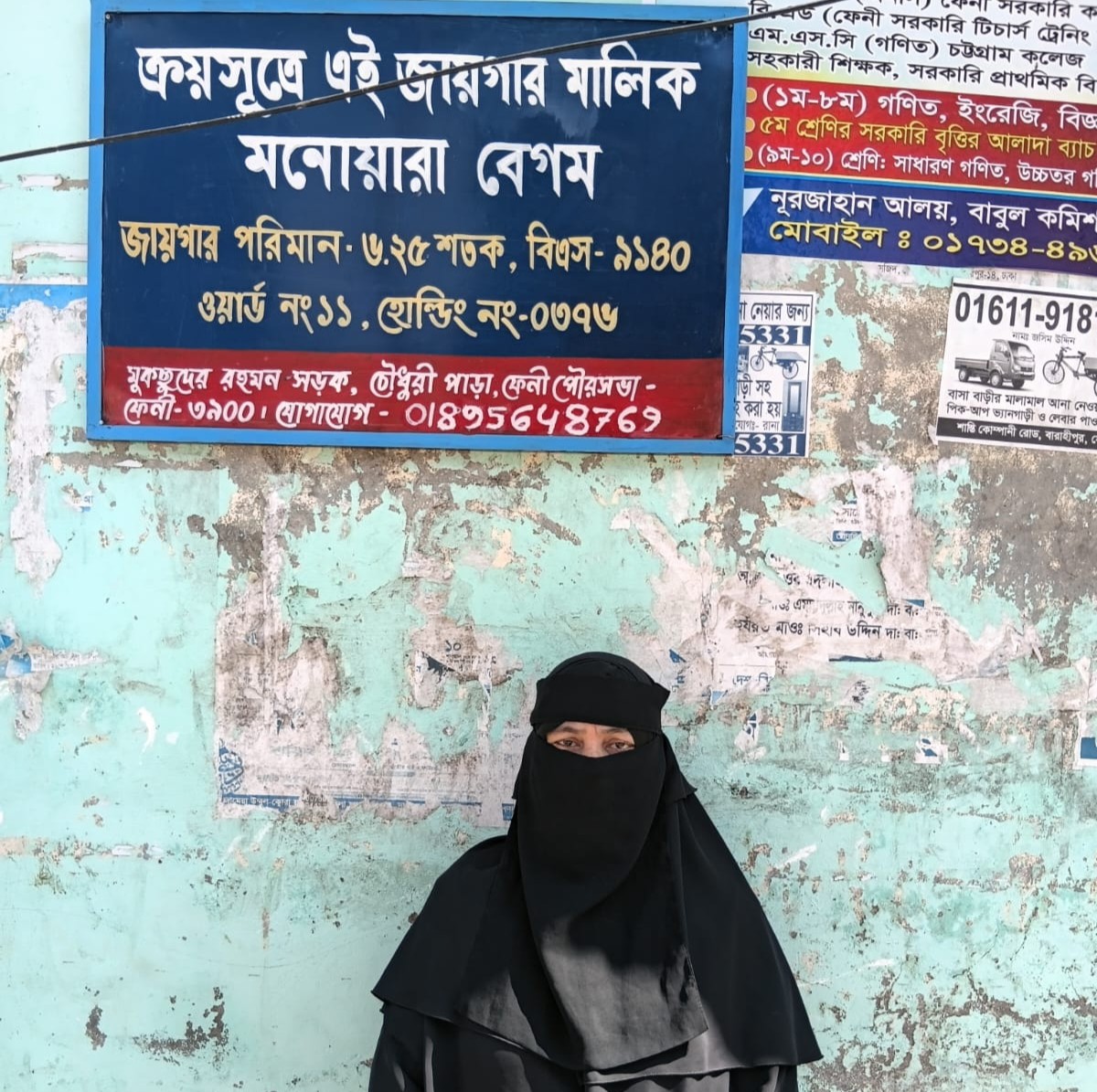
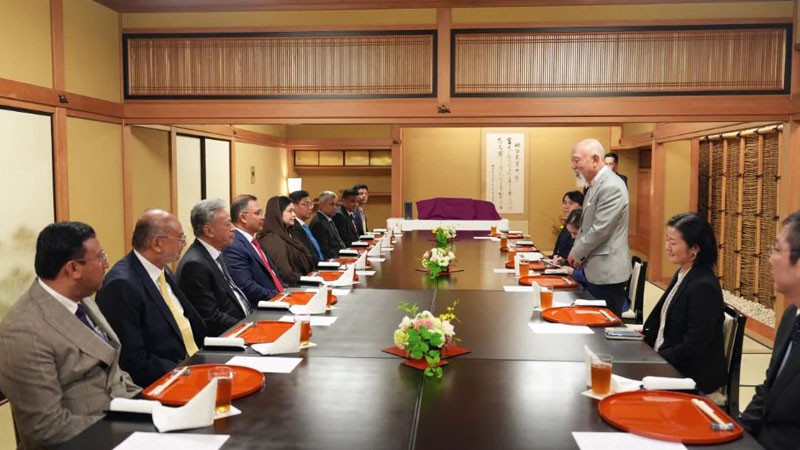
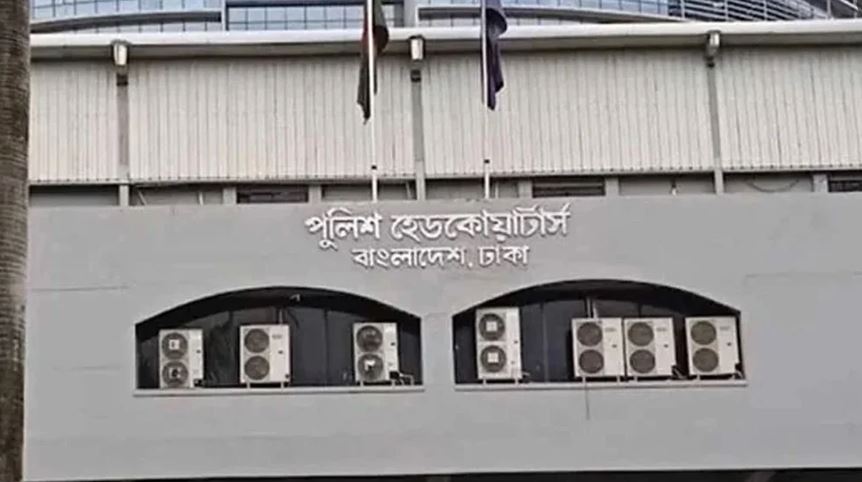
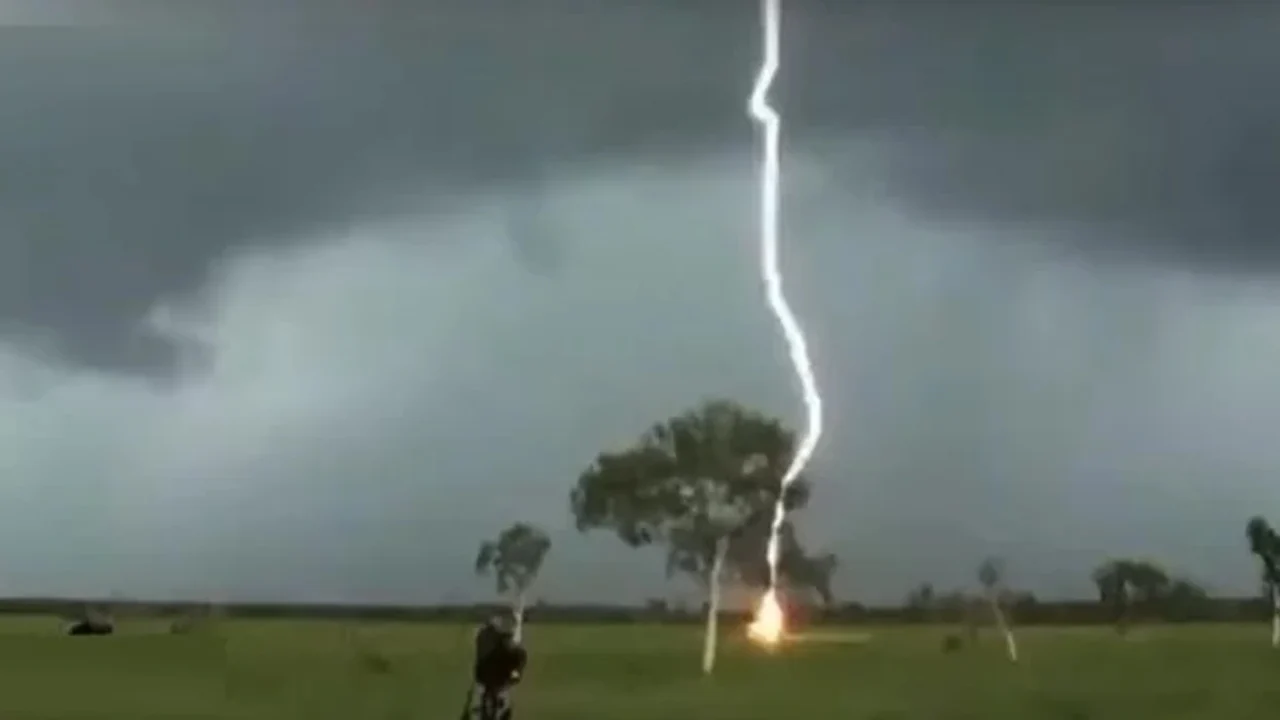
মধ্যপ্রাচ্যের নিরাপত্তা নিশ্চিতে একমত সৌদি-তুরস্ক-পাকিস্তান-ইরান মুসলিম দেশগুলোকে ঐক্যের ডাক দিলেন প্রেসিডেন্ট পেজেশকিয়ান ফেনীতে প্রবাসীর কলোনীর ভাড়া তুলে নেওয়ার ঘটনায় তদন্তে পুলিশ ইরানে ৯৬ ঘণ্টার মধ্যে হামলার প্রস্তুতি যুক্তরাষ্ট্রের জাপানে সাসাকাওয়ার আমন্ত্রণে নৈশভোজে প্রধানমন্ত্রী তারেক রহমান ‘ক্রসফায়ার’ নিয়ে নিজের বক্তব্যের ব্যাখ্যা দিলো পুলিশ সদরদফতর মধ্যপ্রাচ্যে সামরিক উত্তেজনা: দুই দেশকেই সতর্ক করলেন গুতেরেস লামায় বজ্রপাতে শিশুসহ দুইজনের মৃত্যু, আহত দুই আইজিপির ক্রসফায়ার বিষয়ক বক্তব্যে টিআইবি ও অধিকারের তীব্র উদ্বেগ জনতা, অগ্রণী ও বেসিক ব্যাংকে নতুন এমডি নিয়োগের সিদ্ধান্ত

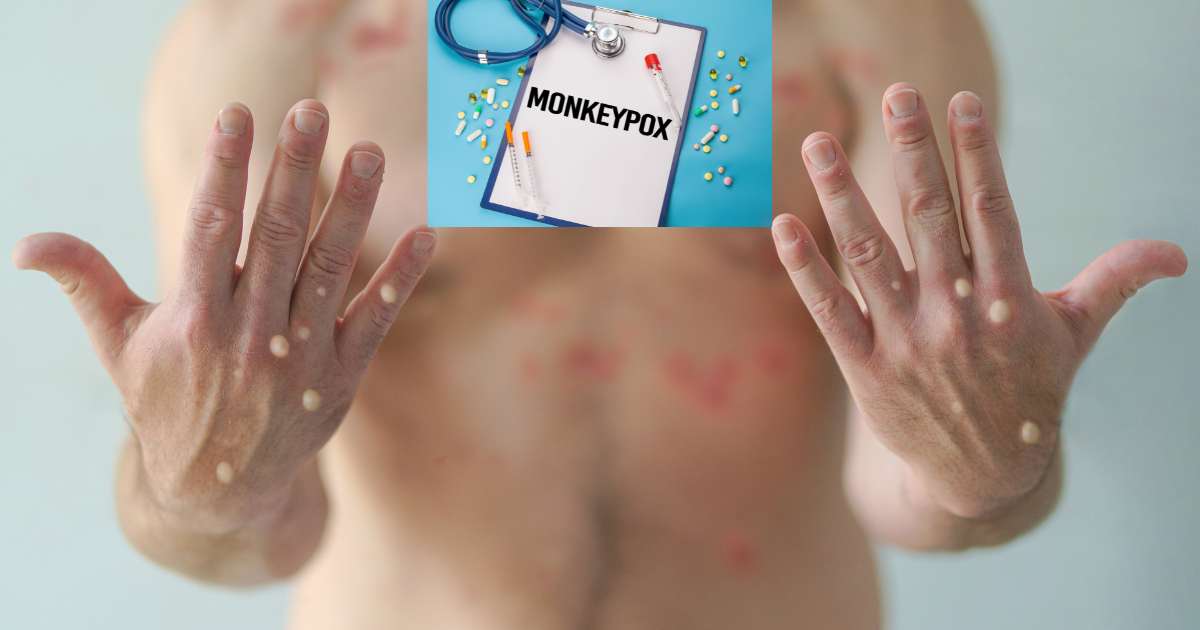
Monkeypox: Recognizing the Symptoms in the First Stage

  • আপডেট সময় : ০৭:৫৫:৫৩ অপরাহ্ন, বৃহস্পতিবার, ১৮ মে ২০২৩
  • / 181
বিডিসংবাদ-এর সর্বশেষ নিউজ পেতে অনুসরণ করুন গুগল নিউজ (Google News) ফিডটি

Monkeypox Beginning Stage: Monkeypox is a rare viral disease that has been making headlines recently due to outbreaks in various parts of the world. The condition is similar to smallpox but less severe and is caused by the monkeypox virus. While the disease is not usually fatal, it can sometimes cause severe complications. Early detection of symptoms is crucial for effective treatment and prevention of the spread of the disease.

Monkeypox: Recognizing the Symptoms in the First Stage

Flu-like symptoms, including fever, headache, muscle aches, and fatigue, characterize the first stage of monkeypox infection. These symptoms usually appear within 1-3 days of exposure to the virus and can last up to 2 weeks. Recognizing these symptoms in the first stage is essential, as early detection can lead to better outcomes.

What is Monkeypox and How is it Transmitted?

Monkeypox is a viral disease discovered in monkeys in Africa in the 1950s. The virus is similar to the smallpox virus and is transmitted to humans through contact with infected animals, such as rodents and primates, or contact with infected humans. The disease is most common in Central and West Africa, but outbreaks have also occurred in other parts of the world.

Understanding the First Stage of Monkeypox Infection

During the first stage of monkeypox infection, the virus enters the body through the respiratory tract or broken skin. It then spreads to the lymph nodes, where it replicates and causes inflammation. The immune system responds by producing antibodies to fight the virus, which can lead to the development of a rash.

Early Symptoms of Monkeypox: What to Look Out For

In addition to fever, headache, muscle aches, and fatigue, other common symptoms of monkeypox in the first stage include swollen lymph nodes, chills, and a sore throat. These symptoms can be similar to those of other viral infections, such as the flu, so it is essential to monitor them closely and seek medical attention if they persist or worsen.

How to Differentiate Monkeypox from Other Viral Infections

While the symptoms of monkeypox can be similar to those of other viral infections, there are some key differences. For example, the rash that develops in the second stage of monkeypox is usually more widespread and tends to be more severe than the rash that occurs in other viral infections. It is essential to seek medical attention for proper diagnosis and treatment.

The Importance of Early Detection and Treatment of Monkeypox

Early detection of monkeypox symptoms is crucial for effective treatment and prevention of the spread of the disease. Treatment options in the first stage of infection include antiviral medications and supportive care, such as fluids and pain relievers. Following treatment protocols is essential for a full recovery.

Common Misconceptions About Monkeypox Symptoms

There are several misconceptions about monkeypox symptoms, including the belief that the disease only affects monkeys. It is essential to have accurate information about the condition to prevent its spread and to seek proper treatment if symptoms develop.

Monkeypox Outbreaks: How to Stay Safe and Prevent the Spread

To prevent the spread of monkeypox, practicing good hygiene, such as washing hands frequently and avoiding contact with infected animals or humans, is essential. During an outbreak, it is also necessary to follow any guidelines or recommendations from public health officials.

When to Seek Medical Attention for Suspected Monkeypox Symptoms

If you suspect you may have been exposed to monkeypox or are experiencing symptoms, it is essential to seek medical attention promptly. Guidelines for seeking medical attention may vary depending on the location and severity of the outbreak.

Monkeypox Diagnosis: Tests and Procedures Used in the First Stage

Diagnostic tests used in the first stage of monkeypox infection may include blood tests, skin biopsies, and viral cultures. Accurate diagnosis is essential for proper treatment and prevention of the spread of the disease.

Monkeypox Treatment Options in the First Stage of Infection

Treatment options in the first stage of monkeypox infection may include antiviral medications, such as cidofovir or brincidofovir, and supportive care, such as fluids and pain relievers. It is important to follow treatment protocols for a full recovery.

Conclusion

Monkeypox is a rare viral disease that can cause severe complications if left untreated. Early detection of symptoms and proper treatment are crucial for a full recovery and prevention of the spread of the disease. It is essential to have accurate information about the condition and to seek medical attention promptly if symptoms develop.

নিউজটি শেয়ার করুন

Monkeypox: Recognizing the Symptoms in the First Stage

আপডেট সময় : ০৭:৫৫:৫৩ অপরাহ্ন, বৃহস্পতিবার, ১৮ মে ২০২৩

Monkeypox Beginning Stage: Monkeypox is a rare viral disease that has been making headlines recently due to outbreaks in various parts of the world. The condition is similar to smallpox but less severe and is caused by the monkeypox virus. While the disease is not usually fatal, it can sometimes cause severe complications. Early detection of symptoms is crucial for effective treatment and prevention of the spread of the disease.

Monkeypox: Recognizing the Symptoms in the First Stage

Flu-like symptoms, including fever, headache, muscle aches, and fatigue, characterize the first stage of monkeypox infection. These symptoms usually appear within 1-3 days of exposure to the virus and can last up to 2 weeks. Recognizing these symptoms in the first stage is essential, as early detection can lead to better outcomes.

What is Monkeypox and How is it Transmitted?

Monkeypox is a viral disease discovered in monkeys in Africa in the 1950s. The virus is similar to the smallpox virus and is transmitted to humans through contact with infected animals, such as rodents and primates, or contact with infected humans. The disease is most common in Central and West Africa, but outbreaks have also occurred in other parts of the world.

Understanding the First Stage of Monkeypox Infection

During the first stage of monkeypox infection, the virus enters the body through the respiratory tract or broken skin. It then spreads to the lymph nodes, where it replicates and causes inflammation. The immune system responds by producing antibodies to fight the virus, which can lead to the development of a rash.

Early Symptoms of Monkeypox: What to Look Out For

In addition to fever, headache, muscle aches, and fatigue, other common symptoms of monkeypox in the first stage include swollen lymph nodes, chills, and a sore throat. These symptoms can be similar to those of other viral infections, such as the flu, so it is essential to monitor them closely and seek medical attention if they persist or worsen.

How to Differentiate Monkeypox from Other Viral Infections

While the symptoms of monkeypox can be similar to those of other viral infections, there are some key differences. For example, the rash that develops in the second stage of monkeypox is usually more widespread and tends to be more severe than the rash that occurs in other viral infections. It is essential to seek medical attention for proper diagnosis and treatment.

The Importance of Early Detection and Treatment of Monkeypox

Early detection of monkeypox symptoms is crucial for effective treatment and prevention of the spread of the disease. Treatment options in the first stage of infection include antiviral medications and supportive care, such as fluids and pain relievers. Following treatment protocols is essential for a full recovery.

Common Misconceptions About Monkeypox Symptoms

There are several misconceptions about monkeypox symptoms, including the belief that the disease only affects monkeys. It is essential to have accurate information about the condition to prevent its spread and to seek proper treatment if symptoms develop.
Monkeypox Outbreaks: How to Stay Safe and Prevent the Spread

To prevent the spread of monkeypox, practicing good hygiene, such as washing hands frequently and avoiding contact with infected animals or humans, is essential. During an outbreak, it is also necessary to follow any guidelines or recommendations from public health officials.

When to Seek Medical Attention for Suspected Monkeypox Symptoms

If you suspect you may have been exposed to monkeypox or are experiencing symptoms, it is essential to seek medical attention promptly. Guidelines for seeking medical attention may vary depending on the location and severity of the outbreak.

Monkeypox Diagnosis: Tests and Procedures Used in the First Stage

Diagnostic tests used in the first stage of monkeypox infection may include blood tests, skin biopsies, and viral cultures. Accurate diagnosis is essential for proper treatment and prevention of the spread of the disease.

Monkeypox Treatment Options in the First Stage of Infection

Treatment options in the first stage of monkeypox infection may include antiviral medications, such as cidofovir or brincidofovir, and supportive care, such as fluids and pain relievers. It is important to follow treatment protocols for a full recovery.

Conclusion

Monkeypox is a rare viral disease that can cause severe complications if left untreated. Early detection of symptoms and proper treatment are crucial for a full recovery and prevention of the spread of the disease. It is essential to have accurate information about the condition and to seek medical attention promptly if symptoms develop.